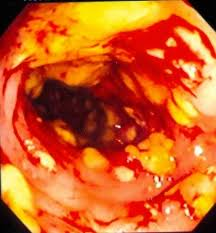
For mild cases of Clostridium difficile, patients may not have to receive medical treatment at all. Increase fluid intake to keep well hydrated during the period of loss of bodily fluids due to fluid loss from diarrheal episodes.
In the case of severe cases, medication such as antibiotics will be prescribed sometimes along with surgery in extreme life threatening situations. Since Clostridium difficile is an antibiotic resistant bacteria, the use of antibiotics must be monitored carefully. This furthers in that the antibiotics that caused the infection from occuring are different from the ones used for treatment of the bacterium. Some antibiotics used in the treatment of C. difficile include: vancomycin (Vancocin), macrolides (tetracyclines), aminoglycosides (genamicin), metronidazole (Flagyl) and sulfonamides. In extreme severe cases, doctors may order to begin treatment with a combination of intravenous fluids and antibiotics along with close observation of metabolic levels to ensure the patient has received enough immediate treatment to have an enhanced recovery period.